

Today, around 21,000 children died around the world. This daily tragedy, from poverty and other preventable causes, rarely makes headline news.
Latest world news
World
From Commitments to Action: Centering Lived Experience in NCD Responses
- Inter Press Service
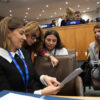
UNITED NATIONS, September 25 (IPS) - On September 21, just prior to the opening of the United Nations General Assembly Debate (UNGA81), the NCD Alliance held its fifth Multi-stakeholder Gathering, “Strategies for a Sustainable NCD and Mental Health Response,” during the UN High-level Week.
AI-Driven Climate Change Pushes Frontline Communities Further Into Environmental Degradation and Poverty
- Inter Press Service

UNITED NATIONS, September 25 (IPS) - On September 21, Frontline Resource Institute (FRI) hosted its Climate Justice Hub at Fordham University at Lincoln Center in New York City under the theme “Building a Stronger Climate Coalition.”
Norway’s Development Rethink Should See Ocean Investment as a Strategic Interest
- Inter Press Service
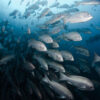
OSLO, Norway, September 24 (IPS) - As Norway undertakes Vendepunkt, or “Turning Point,” its reflection on the future of Norwegian development policy, it is critical that oceans remain a priority. Donors around the world are running similar audits, deciding which long-term partnerships to keep, and why. Norway has decades of expertise to offer, but also something significant at stake: healthy and well-governed oceans underpin food, livelihoods and economic activity in partner countries while supporting global seafood supply chains in which Norway itself participates.
From Vienna to New York: Nuclear Governance Faces New Tests Ahead of First TPNW Review Conference
- Inter Press Service

VIENNA, September 24 (IPS) - The international nuclear order is facing another test as governments move from an inconclusive review of the Nuclear Non-Proliferation Treaty (NPT) in New York to renewed disputes over safeguards and nuclear security in Vienna—and toward the first Review Conference of the Treaty on the Prohibition of Nuclear Weapons (TPNW) later this year.
The BBNJ Agreement: From Paper to Protection – The Real Test for Global Ocean Governance
- Inter Press Service

VICTORIA, Seychelles, September 24 (IPS) - After decades in which the high seas were too often treated as a distant frontier—vast, ownerless and beyond meaningful protection—the High Seas Treaty entered into force on 17 January 2026.
When African Smallholders Access Finance, They’ll Show You What’s Possible
- Inter Press Service
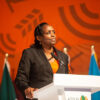
NAIROBI, Kenya, September 24 (IPS) - I was born in Rwanda, but my family soon became refugees in Uganda during the conflict and unrest on the cusp of independence. My father was a teacher and went to great lengths to make sure I was well educated. My parents were also smallholder farmers, and I saw firsthand the challenges my parents and other refugee families faced.
The Overlooked Fast Track for Cutting Planetary Warming
- Inter Press Service
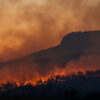
NEW YORK, September 24 (IPS) - Among the three of us, we have 15 decades of high-level experience in climate science, policies and actions, and we have never been more alarmed than we are at this moment.
A New Arms Race is Threatening to Take-off—this time in Outer Space
- Inter Press Service
UNITED NATIONS, September 24 (IPS) - The world’s ongoing arms race is threatening to extend beyond planet earth—and spillover into outer space.The US has deployed weapons in space and will use them to defend American forces, Air Force Secretary Troy Meink said last week, according to Cable News Network (CNN). His comments marked the first public acknowledgment of such capabilities, though he offered no details about the weapons or when they were put into orbit.
Israeli leader at UN: ‘We’re going to win. We have no other choice’
- UN News
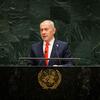
Prime Minister Benjamin Netanyahu used his address to the UN General Assembly to defend Israel’s strikes against Iran as a matter of national survival and describe the violence in the West Bank as the work of few “juvenile delinquents” and reject accusations of genocide in Gaza as “the greatest lie of the century.”
‘Rising seas are sinking futures’
- UN News
World leaders approved the UN Declaration on Sea Level Rise by consensus on Thursday as the UN chief warned that encroaching waters are already threatening the future of coastal communities worldwide.
- More stories…
Climate
AI-Driven Climate Change Pushes Frontline Communities Further Into Environmental Degradation and Poverty
- Inter Press Service
UNITED NATIONS, September 25 (IPS) - On September 21, Frontline Resource Institute (FRI) hosted its Climate Justice Hub at Fordham University at Lincoln Center in New York City under the theme “Building a Stronger Climate Coalition.”
Norway’s Development Rethink Should See Ocean Investment as a Strategic Interest
- Inter Press Service
OSLO, Norway, September 24 (IPS) - As Norway undertakes Vendepunkt, or “Turning Point,” its reflection on the future of Norwegian development policy, it is critical that oceans remain a priority. Donors around the world are running similar audits, deciding which long-term partnerships to keep, and why. Norway has decades of expertise to offer, but also something significant at stake: healthy and well-governed oceans underpin food, livelihoods and economic activity in partner countries while supporting global seafood supply chains in which Norway itself participates.
The BBNJ Agreement: From Paper to Protection – The Real Test for Global Ocean Governance
- Inter Press Service
VICTORIA, Seychelles, September 24 (IPS) - After decades in which the high seas were too often treated as a distant frontier—vast, ownerless and beyond meaningful protection—the High Seas Treaty entered into force on 17 January 2026.
The Overlooked Fast Track for Cutting Planetary Warming
- Inter Press Service
NEW YORK, September 24 (IPS) - Among the three of us, we have 15 decades of high-level experience in climate science, policies and actions, and we have never been more alarmed than we are at this moment.
‘Rising seas are sinking futures’
- UN News
World leaders approved the UN Declaration on Sea Level Rise by consensus on Thursday as the UN chief warned that encroaching waters are already threatening the future of coastal communities worldwide.
LIVE: World leaders tackle sea level rise, a stark marker of climate change
- UN News
Sea level rise is among the most visible consequences of global warming, but for some countries, it is an imminent existential threat. World leaders are meeting Thursday to approve a new declaration and debate the best ways to strengthen international cooperation and support vulnerable low-lying nations most at risk.
IRAQ: ‘Art Is the Only Weapon That Doesn’t Hurt or Kill’
- Inter Press Service

CIVICUS discusses public art, gender-based violence and censorship in Iraqi Kurdistan with Tara Abdullah, a multidisciplinary visual artist from Sulaymaniyah who is currently based in Oslo, Norway as part of the Safemuse – Safe Havens for Artists residency.
Floods, Hunger and Disease Pile on Myanmar’s Civil War Misery
- Inter Press Service
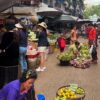
YANGON, Myanmar, September 23 (IPS) - Isolated and at constant war with itself, Myanmar’s humanitarian crisis is deepening as global challenges far exceed the capacity to respond of a military regime increasingly focused on its own survival.
What Isn’t Named Isn’t Protected and being Named Isn’t Enough
- Inter Press Service
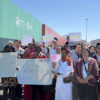
ULAANBAATAR, Mongolia, September 23 (IPS) - Rightsholders came to Ulaanbaatar from across the world, carrying declarations, demands and years of experience defending the lands on which their communities depend. Indigenous Peoples, local communities, Afro-descendant Peoples, women and youth were equally clear about what they needed from COP17. But being in the room is not the same as having power in the room.
Guterres calls on countries to set clear timelines for transition away from fossil fuels
- UN News
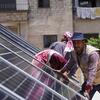
“We are the first generation with the tools to end the fossil fuel age – and the last who can avert climate catastrophe,” UN Secretary-General António Guterres said on Wednesday, calling on countries to draw up credible roadmaps with clear timelines to transition away from fossil fuels.
- More stories…
Health
From Commitments to Action: Centering Lived Experience in NCD Responses
- Inter Press Service
UNITED NATIONS, September 25 (IPS) - On September 21, just prior to the opening of the United Nations General Assembly Debate (UNGA81), the NCD Alliance held its fifth Multi-stakeholder Gathering, “Strategies for a Sustainable NCD and Mental Health Response,” during the UN High-level Week.
AI-Driven Climate Change Pushes Frontline Communities Further Into Environmental Degradation and Poverty
- Inter Press Service
UNITED NATIONS, September 25 (IPS) - On September 21, Frontline Resource Institute (FRI) hosted its Climate Justice Hub at Fordham University at Lincoln Center in New York City under the theme “Building a Stronger Climate Coalition.”
From Vienna to New York: Nuclear Governance Faces New Tests Ahead of First TPNW Review Conference
- Inter Press Service
VIENNA, September 24 (IPS) - The international nuclear order is facing another test as governments move from an inconclusive review of the Nuclear Non-Proliferation Treaty (NPT) in New York to renewed disputes over safeguards and nuclear security in Vienna—and toward the first Review Conference of the Treaty on the Prohibition of Nuclear Weapons (TPNW) later this year.
UN health agency calls for investment boost to save young lives from cancer
- UN News

More children and young people are beating cancer, but progress remains uneven across regions and age groups, highlighting the need for increased investment to boost survival rates.
DR Congo Ebola outbreak toll exceeds 3,700 deaths
- UN News
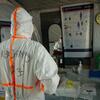
More than 130 days into the latest Ebola outbreak in the Democratic Republic of the Congo (DRC), health experts said on Wednesday that response efforts have been scaled up significantly and “the first encouraging signs of progress” are now being seen.
Life-Changing Humanitarians Empower Women Against Violence in Papua New Guinea’s Highlands
- Inter Press Service

SYDNEY, Australia, September 22 (IPS) - In the remote Highlands region of Papua New Guinea (PNG), humanitarians are life-saving beacons to women and girls facing myriad forms of violence. Despite years of awareness programmes and advocacy, the incidence of domestic and sexual violence is not declining. But Janet Kilea is one survivor who has rejected the fear and stigma of her experience and now dedicates her energy to transforming other women’s lives.
United Nations Least Developed Country Category – Curse or Boon?
- Inter Press Service

SYDNEY, September 21 (IPS) - The UN General Assembly will soon vote – most likely favourably – on Bangladesh’s request to postpone the country’s graduation from the UN’s Least Developed Country (LDC) category, currently scheduled for November this year. The request for a 3-year extension was endorsed by the ECOSOC following the recommendation of the UN’s Committee for Development Policy (CDP).
Ebola vaccine trial begins in DR Congo
- UN News
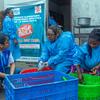
An Ebola vaccine trial is underway in the Democratic Republic of the Congo (DRC), involving frontline health workers and others involved in the response.
Sudan: Blood on Foreign Powers’ Hands
- Inter Press Service
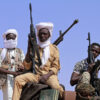
LONDON, September 21 (IPS) - Sudan’s civil war grinds on. It’s close to three and a half years since the Sudanese Armed Forces (SAF) and the Rapid Support Forces (RSF) militia began their battle for supremacy, and the two forces and their allies continue to slaughter civilians with impunity. As a recent UN report makes clear, the killing is enabled by numerous foreign powers that continue to supply weapons, personnel and logistical support. They have made a civil conflict their proxy war, and their self-interest is sustaining the killing.
The race to build a pandemic-proof world
- UN News
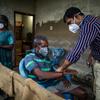
Six years after COVID-19 killed millions, battered health systems, disrupted lives and brought the global economy to a virtual standstill, the world is still grappling with how we can prepare better for the next pandemic.
- More stories…
Economy
AI-Driven Climate Change Pushes Frontline Communities Further Into Environmental Degradation and Poverty
- Inter Press Service
UNITED NATIONS, September 25 (IPS) - On September 21, Frontline Resource Institute (FRI) hosted its Climate Justice Hub at Fordham University at Lincoln Center in New York City under the theme “Building a Stronger Climate Coalition.”
Norway’s Development Rethink Should See Ocean Investment as a Strategic Interest
- Inter Press Service
OSLO, Norway, September 24 (IPS) - As Norway undertakes Vendepunkt, or “Turning Point,” its reflection on the future of Norwegian development policy, it is critical that oceans remain a priority. Donors around the world are running similar audits, deciding which long-term partnerships to keep, and why. Norway has decades of expertise to offer, but also something significant at stake: healthy and well-governed oceans underpin food, livelihoods and economic activity in partner countries while supporting global seafood supply chains in which Norway itself participates.
The BBNJ Agreement: From Paper to Protection – The Real Test for Global Ocean Governance
- Inter Press Service
VICTORIA, Seychelles, September 24 (IPS) - After decades in which the high seas were too often treated as a distant frontier—vast, ownerless and beyond meaningful protection—the High Seas Treaty entered into force on 17 January 2026.
When African Smallholders Access Finance, They’ll Show You What’s Possible
- Inter Press Service
NAIROBI, Kenya, September 24 (IPS) - I was born in Rwanda, but my family soon became refugees in Uganda during the conflict and unrest on the cusp of independence. My father was a teacher and went to great lengths to make sure I was well educated. My parents were also smallholder farmers, and I saw firsthand the challenges my parents and other refugee families faced.
The Overlooked Fast Track for Cutting Planetary Warming
- Inter Press Service
NEW YORK, September 24 (IPS) - Among the three of us, we have 15 decades of high-level experience in climate science, policies and actions, and we have never been more alarmed than we are at this moment.
World News in Brief: ‘New intensity’ to Russian attacks on Ukraine, Yemen, Gaza and Colombia updates
- UN News
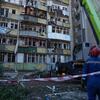
Russian armed forces have carried out repeated attacks across Ukraine over the past several days, killing and injuring civilians and damaging homes, hospitals, shops and workplaces, UN human rights monitors said on Thursday.
Floods, Hunger and Disease Pile on Myanmar’s Civil War Misery
- Inter Press Service
YANGON, Myanmar, September 23 (IPS) - Isolated and at constant war with itself, Myanmar’s humanitarian crisis is deepening as global challenges far exceed the capacity to respond of a military regime increasingly focused on its own survival.
What Isn’t Named Isn’t Protected and being Named Isn’t Enough
- Inter Press Service
ULAANBAATAR, Mongolia, September 23 (IPS) - Rightsholders came to Ulaanbaatar from across the world, carrying declarations, demands and years of experience defending the lands on which their communities depend. Indigenous Peoples, local communities, Afro-descendant Peoples, women and youth were equally clear about what they needed from COP17. But being in the room is not the same as having power in the room.
Guterres calls on countries to set clear timelines for transition away from fossil fuels
- UN News
“We are the first generation with the tools to end the fossil fuel age – and the last who can avert climate catastrophe,” UN Secretary-General António Guterres said on Wednesday, calling on countries to draw up credible roadmaps with clear timelines to transition away from fossil fuels.
LIVE: Climate change is here - What happens next is still in our hands
- UN News

🔴 LIVE NOW From deadly floods in the Himalayas to wildfires and extreme heat across Europe, 2026 has brought a succession of stark reminders of a changing climate. The task is immediate: Protect people from the impacts already unfolding while rapidly cutting the emissions of harmful gasses driving climate change. World leaders are meeting today to discuss how to turn those priorities into action.
- More stories…
More news topics
Read more news stories by
More news by World, Economy, Environment, Geopolitics, Health, Human Rights, More news topics …
World news by


Issues in depth
Latest
Action on climate change is cheaper than inaction
Many are afraid that tackling climate change is going to be too costly. But increasingly, studies are showing action will not just be cheaper than inaction, but could actually result in economic, environmental and even health benefits, while improving sustainability.
Read “Action on climate change is cheaper than inaction” to learn more.
Climate Change and Global Warming Introduction
 The climate is changing. The earth is warming up, and there is now overwhelming scientific consensus that it is happening, and human-induced. With global warming on the increase and species and their habitats on the decrease, chances for ecosystems to adapt naturally are diminishing.
Many are agreed that climate change may be one of the greatest threats facing the planet. Recent years show increasing temperatures in various regions, and/or increasing extremities in weather patterns.
This section looks at what causes climate change, what the impacts are and where scientific consensus currently is.
Read “Climate Change and Global Warming Introduction” to learn more.
COP20—Lima Climate Conference
 An overview of the Climate Change Conference (also known as COP 20), held in Lima, Peru in December 2014.
While it seemed like it was a successful meeting, because developing nations were committed to drawing up their own plans for emissions reductions for the first time, a number of important issues were left undecided such as how financing would work.
This page is an overview of the Lima Climate conference.
Read “COP20—Lima Climate Conference” to learn more.
Ebola Outbreak in West Africa
An overview of the Ebola virus outbreak in West Africa that has been described by the World Health Organization as the largest, most severe and most complex outbreak in the history of the disease.
The epidemic began at the end of 2013, in Guinea. From there it spread to Liberia, Sierra Leone, Nigeria and Senegal. Many of the affected countries face enormous challenges in stopping its spread and providing care for all patients.
Thousands of people have died and many are at risk as the fatality rate from this virus is very high. As the crisis worsens, as well as the enormous health challenges involved, the social and economic consequences may set these countries back, reversing some gains a number of these countries have made in recent years.
Read “Ebola Outbreak in West Africa” to learn more.
Foreign Aid for Development Assistance
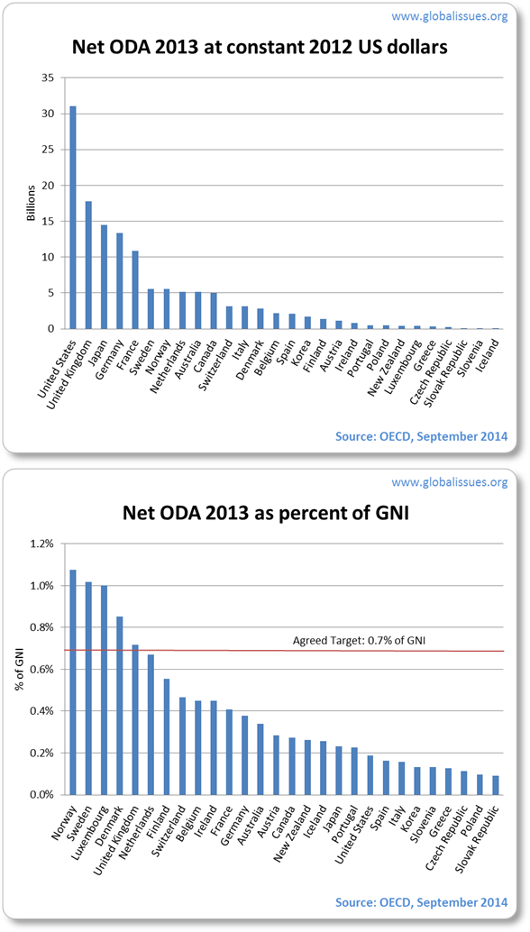
In 1970, the world’s rich countries agreed to give 0.7% of their gross national income as official international development aid, annually.
Since that time, billions have certainly been given each year, but rarely have the rich nations actually met their promised target.
For example, the US is often the largest donor in dollar terms, but ranks amongst the lowest in terms of meeting the stated 0.7% target.
Furthermore, aid has often come with a price of its own for the developing nations. Common criticisms, for many years, of foreign aid, have included the following:
- Aid is often wasted on conditions that the recipient must use overpriced goods and services from donor countries
- Most aid does not actually go to the poorest who would need it the most
- Aid amounts are dwarfed by rich country protectionism that denies market access for poor country products while rich nations use aid as a lever to open poor country markets to their products
- Large projects or massive grand strategies often fail to help the vulnerable; money can often be embezzled away.
This article explores who has benefited most from this aid, the recipients or the donors.
Read “Foreign Aid for Development Assistance” to learn more.
Nature and Animal Conservation
 Preserving species and their habitats is important for ecosystems to self-sustain themselves.
Yet, the pressures to destroy habitat for logging, illegal hunting, and other challenges are making conservation a struggle.
Read “Nature and Animal Conservation” to learn more.
Most Popular
Poverty Facts and Stats
Most of humanity lives on just a few dollars a day. Whether you live in the wealthiest nations in the world or the poorest, you will see high levels of inequality.
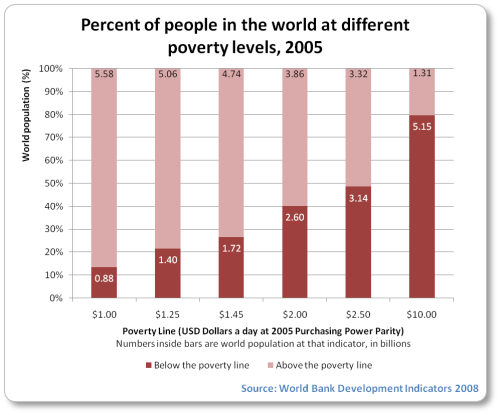
The poorest people will also have less access to health, education and other services. Problems of hunger, malnutrition and disease afflict the poorest in society. The poorest are also typically marginalized from society and have little representation or voice in public and political debates, making it even harder to escape poverty.
By contrast, the wealthier you are, the more likely you are to benefit from economic or political policies. The amount the world spends on military, financial bailouts and other areas that benefit the wealthy, compared to the amount spent to address the daily crisis of poverty and related problems are often staggering.
Some facts and figures on poverty presented in this page are eye-openers, to say the least.
Read “Poverty Facts and Stats” to learn more.
Global Financial Crisis
 Following a period of economic boom, a financial bubble — global in scope — burst, even causing some of the world’s largest financial institutions have collapsed. With the resulting recession, many governments of the wealthiest nations in the world have resorted to extensive bail-out and rescue packages for the remaining large banks and financial institutions while imposing harsh austerity measures on themselves.
Some of the bail-outs have also led to charges of hypocrisy due to the apparent socializing of the costs while privatizing the profits.
Furthermore, the institutions being rescued are typically the ones got the world into this trouble in the first place. For smaller businesses and poorer people, such options for bail out and rescue are rarely available when they find themselves in crisis.
Plummeting stock markets at one point wiped out 33% of the value of companies, $14.5 trillion. Taxpayers bailed out their banks and financial institutions with large amounts of money. US taxpayers alone have spent some $9.7 trillion in bailout packages and plans. The UK and other European countries have also spent some $2 trillion on rescues and bailout packages. More is expected. Much more.
Such numbers, made quickly available, are enough to wipe many individual’s mortgages, or clear out third world debt many times over. Even the high military spending figures are dwarfed by the bailout plans to date.
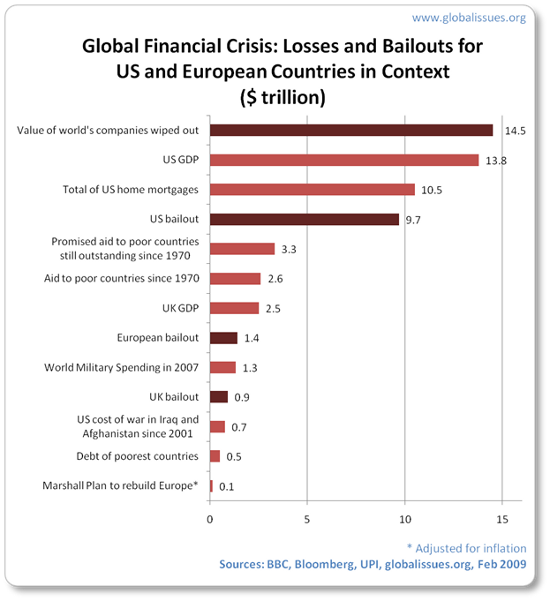
This problem could have been averted (in theory) as people had been pointing to these issues for decades. However, during boom, very few want to hear such pessimism. Does this crisis spell an end to the careless forms of banking and finance and will it herald a better economic age, or are we just doomed to keep forgetting history and repeat these mistakes in the future? Signs are not encouraging as rich nations are resisting meaningful reform…
Read “Global Financial Crisis” to learn more.
Causes of Poverty
Poverty is the state for the majority of the world’s people and nations. Why is this? Is it enough to blame poor people for their own predicament? Have they been lazy, made poor decisions, and been solely responsible for their plight? What about their governments? Have they pursued policies that actually harm successful development? Such causes of poverty and inequality are no doubt real. But deeper and more global causes of poverty are often less discussed.
Read “Causes of Poverty” to learn more.
Climate Change and Global Warming
The climate is changing. The earth is warming up, and there is now overwhelming scientific consensus that it is happening, and human-induced. With global warming on the increase and species and their habitats on the decrease, chances for ecosystems to adapt naturally are diminishing. Many are agreed that climate change may be one of the greatest threats facing the planet. Recent years show increasing temperatures in various regions, and/or increasing extremities in weather patterns.
This section explores some of the effects of climate change. It also attempts to provide insights into what governments, companies, international institutions, and other organizations are attempting to do about this issue, as well as the challenges they face. Some of the major conferences in recent years are also discussed.
Read “Climate Change and Global Warming” to learn more.
Environmental Issues
Environmental issues are also a major global issue. Humans depend on a sustainable and healthy environment, and yet we have damaged the environment in numerous ways. This section introduces other issues including biodiversity, climate change, animal and nature conservation, population, genetically modified food, sustainable development, and more.
Read “Environmental Issues” to learn more.
Racism
 Racism is the belief that characteristics and abilities can be attributed to people simply on the basis of their race and that some racial groups are superior to others. Racism and discrimination have been used as powerful weapons encouraging fear or hatred of others in times of conflict and war, and even during economic downturns. This article explores racism from around the world.
Read “Racism” to learn more.
Topical
Global Financial Crisis
Following a period of economic boom, a financial bubble — global in scope — burst, even causing some of the world’s largest financial institutions have collapsed. With the resulting recession, many governments of the wealthiest nations in the world have resorted to extensive bail-out and rescue packages for the remaining large banks and financial institutions while imposing harsh austerity measures on themselves.
Some of the bail-outs have also led to charges of hypocrisy due to the apparent socializing of the costs while privatizing the profits.
Furthermore, the institutions being rescued are typically the ones got the world into this trouble in the first place. For smaller businesses and poorer people, such options for bail out and rescue are rarely available when they find themselves in crisis.
Plummeting stock markets at one point wiped out 33% of the value of companies, $14.5 trillion. Taxpayers bailed out their banks and financial institutions with large amounts of money. US taxpayers alone have spent some $9.7 trillion in bailout packages and plans. The UK and other European countries have also spent some $2 trillion on rescues and bailout packages. More is expected. Much more.
Such numbers, made quickly available, are enough to wipe many individual’s mortgages, or clear out third world debt many times over. Even the high military spending figures are dwarfed by the bailout plans to date.
This problem could have been averted (in theory) as people had been pointing to these issues for decades. However, during boom, very few want to hear such pessimism. Does this crisis spell an end to the careless forms of banking and finance and will it herald a better economic age, or are we just doomed to keep forgetting history and repeat these mistakes in the future? Signs are not encouraging as rich nations are resisting meaningful reform…
Read “Global Financial Crisis” to learn more.
Climate Change and Global Warming
The climate is changing. The earth is warming up, and there is now overwhelming scientific consensus that it is happening, and human-induced. With global warming on the increase and species and their habitats on the decrease, chances for ecosystems to adapt naturally are diminishing. Many are agreed that climate change may be one of the greatest threats facing the planet. Recent years show increasing temperatures in various regions, and/or increasing extremities in weather patterns.
This section explores some of the effects of climate change. It also attempts to provide insights into what governments, companies, international institutions, and other organizations are attempting to do about this issue, as well as the challenges they face. Some of the major conferences in recent years are also discussed.
Read “Climate Change and Global Warming” to learn more.
Food and Agriculture Issues
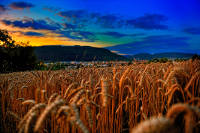 Food and agriculture goes to the heart of our civilizations. Religions, cultures and even modern civilization have food and agriculture at their core. For an issue that goes to the heart of humanity it also has its ugly side.
This issue explores topics ranging from the global food crisis of 2008, to issues of food aid, world hunger, food dumping and wasteful agriculture such as growing tobacco, sugar, beef, and more.
Read “Food and Agriculture Issues” to learn more.
Foreign Aid for Development Assistance
In 1970, the world’s rich countries agreed to give 0.7% of their gross national income as official international development aid, annually.
Since that time, billions have certainly been given each year, but rarely have the rich nations actually met their promised target.
For example, the US is often the largest donor in dollar terms, but ranks amongst the lowest in terms of meeting the stated 0.7% target.
Furthermore, aid has often come with a price of its own for the developing nations. Common criticisms, for many years, of foreign aid, have included the following:
- Aid is often wasted on conditions that the recipient must use overpriced goods and services from donor countries
- Most aid does not actually go to the poorest who would need it the most
- Aid amounts are dwarfed by rich country protectionism that denies market access for poor country products while rich nations use aid as a lever to open poor country markets to their products
- Large projects or massive grand strategies often fail to help the vulnerable; money can often be embezzled away.
This article explores who has benefited most from this aid, the recipients or the donors.
Read “Foreign Aid for Development Assistance” to learn more.
Tax Avoidance and Tax Havens; Undermining Democracy
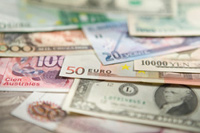 Through tax havens, transfer pricing and many other policies — both legal and illegal — billions of dollars of tax are avoided. The much-needed money would helped developing (and developed) countries provide important social services for their populations.
Some tax avoidance, regardless of how morally objectionable it may be to some people, is perfectly legal, and the global super elite are able to hide away trillions of dollars, resulting in massive losses of tax revenues for cash-strapped governments who then burden ordinary citizens further with austerity measures during economic crisis, for example. Yet these super elite are often very influential in politics and business. In effect, they are able to undermine democracy and capitalism at the same time.
As the global financial crisis has affected many countries, tackling tax avoidance would help target those more likely to have contributed to the problem while avoid many unnecessary austerity measures that hit the poorest so hard. But despite rhetoric stating otherwise, it does not seem to high on the agenda of many governments as you might think.
Read “Tax Avoidance and Tax Havens; Undermining Democracy” to learn more.
World Military Spending
World military spending had reduced since the Cold War ended, but a few nations such as the US retain high level spending.
In recent years, global military expenditure has increased again and is now comparable to Cold War levels. Recent data shows global spending at over $1.7 trillion. 2012 saw the first dip in spending — only slightly —since 1998, in an otherwise rising trend.

The highest military spender is the US accounting for almost two-fifths of the world’s spending, more than the rest of the G7 (most economically advanced countries) combined, and more than all its potential enemies, combined.
Read “World Military Spending” to learn more.
“If a man is offered a fact which goes against his instincts, he will scrutinize it closely, and unless the evidence is overwhelming, he will refuse to believe it. If, on the other hand, he is offered something which affords a reason for acting in accordance to his instincts, he will accept it even on the slightest evidence.” — Bertrand Russell, Roads to Freedom